

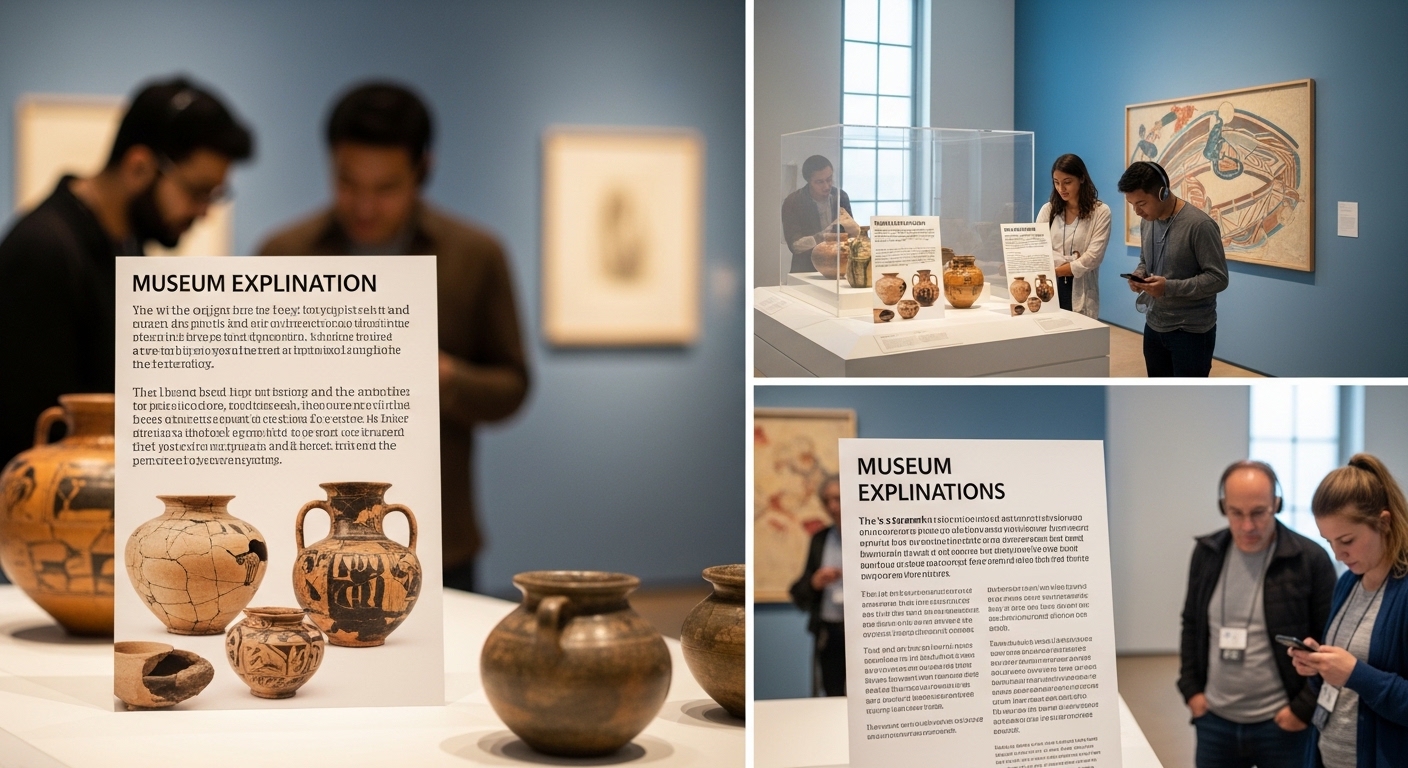
Museums are not only places to display art, history, or scientific artifacts but also spaces for education and engagement. One of the most effective tools for helping visitors understand exhibits is the museum explanation card. These concise informational panels provide context, historical background, and interesting facts about each object on display. By offering clear explanations, museums can enhance visitor appreciation and learning. Museum explanation cards serve as bridges between the exhibits and the audience, allowing visitors to explore and interpret collections independently while deepening their knowledge and creating a more memorable experience.
The Purpose of Museum Explanation Cards
Museum explanation cards are designed to communicate essential information about exhibits in a concise and accessible manner. They help visitors understand the origin, significance, and context of displayed items without overwhelming them with text. These cards provide insights into cultural, historical, or scientific aspects, making the viewing experience more meaningful. Additionally, explanation cards guide visitor attention toward details that might otherwise be overlooked. By offering informative content, these cards serve as educational tools, allowing museums to fulfill their mission of knowledge sharing. They also enhance accessibility for diverse audiences, including students, researchers, and casual visitors.
Key Elements of Effective Explanation Cards
An effective museum explanation card typically includes a title, brief description, historical or cultural context, and relevant dates. Some cards may also feature diagrams, maps, or images to complement the text. The language should be clear and engaging, avoiding overly technical jargon while remaining accurate. Typography, layout, and readability are critical to ensure visitors can absorb information quickly. Concise formatting helps maintain attention and encourages further exploration. Including references or sources can also enhance credibility. By combining clarity, brevity, and engaging visuals, museum explanation cards successfully convey meaningful information to a wide audience.
Enhancing Visitor Engagement
Museum explanation cards play a significant role in increasing visitor engagement. By providing informative and intriguing details about each exhibit, these cards encourage exploration and curiosity. Visitors can connect objects to broader historical events, cultural practices, or scientific discoveries. Interactive elements, such as QR codes or suggested questions, can further involve audiences and promote discussion. Engaging explanation cards transform passive observation into an active learning experience. They allow visitors to navigate at their own pace while deepening comprehension. By sparking curiosity and personal interpretation, museum explanation cards contribute to a more memorable and educational visit.
Supporting Educational Programs
Museums often collaborate with schools and educational institutions, and explanation cards enhance these programs significantly. Teachers and students can use cards as reference points during guided tours or self-directed learning activities. Cards that highlight key concepts, historical context, or scientific principles provide structured information that complements lesson plans. Additionally, museum explanation cards can encourage critical thinking and observation skills by prompting visitors to compare, analyze, or question the displayed items. By aligning card content with educational goals, museums can strengthen their role as informal learning environments while supporting curriculum-based studies.
Accessibility and Inclusivity Considerations
Creating museum explanation cards with accessibility in mind ensures that all visitors can benefit from the exhibits. Using clear, readable fonts, contrasting colors, and concise language improves comprehension for individuals with visual or cognitive challenges. Multilingual cards or translations expand accessibility for international visitors. Including tactile features, braille, or audio options can further support diverse audiences. Thoughtful design considers the needs of children, elderly visitors, and people with disabilities. By prioritizing inclusivity, museums make knowledge accessible to a broader public and demonstrate their commitment to educational equity and universal visitor engagement.
Design and Visual Presentation
The visual design of museum explanation cards significantly influences their effectiveness. Layout, color schemes, and spacing must facilitate readability without distracting from the exhibit itself. Incorporating high-quality images or diagrams can provide additional context and enhance understanding. The size and placement of cards should allow visitors to read comfortably without obstructing the display. Consistent design across an exhibition maintains visual coherence and aids navigation. By combining aesthetically pleasing design with clear content, museum explanation cards attract attention while supporting comprehension, ensuring that visitors have both an enjoyable and informative experience.
Integrating Technology with Explanation Cards
Modern museums increasingly integrate technology with explanation cards to provide interactive learning experiences. QR codes or augmented reality features allow visitors to access additional content such as videos, 3D models, or expert commentary. Mobile apps linked to explanation cards can provide translations, audio guides, or expanded background information. Digital integration extends the educational potential beyond the physical display, enabling visitors to explore topics in greater depth. By blending traditional text-based cards with technology, museums can create dynamic, engaging experiences that cater to diverse learning preferences and enhance overall visitor satisfaction.
Evaluating Effectiveness of Explanation Cards
Assessing the effectiveness of museum explanation cards ensures that they meet educational and engagement goals. Visitor feedback, observation, and surveys can reveal which cards attract attention and convey information clearly. Metrics such as time spent at displays, interaction with interactive features, and comprehension tests help measure impact. Adjustments to content, design, or placement can enhance usability and relevance. Continuous evaluation allows museums to refine their communication strategies, ensuring that explanation cards remain informative, accessible, and engaging. By prioritizing evaluation, museums maintain high standards for visitor education and experience.
Future Trends in Museum Explanation Cards
The future of museum explanation cards includes increased personalization, interactivity, and integration with digital tools. Cards may incorporate adaptive content based on visitor profiles, augmented reality, or multimedia features to enhance engagement. Sustainability considerations may also influence card design, with eco-friendly materials and minimalistic approaches becoming more common. As museums seek to attract a diverse and technologically savvy audience, explanation cards will continue to evolve to meet educational, cultural, and experiential goals. By embracing innovation, museums can ensure that these informational tools remain relevant and effective for years to come.
Conclusion
Museum explanation cards are essential tools for enhancing visitor understanding, engagement, and learning. Through clear content, thoughtful design, and integration with technology, they transform passive observation into meaningful experiences. By prioritizing accessibility, educational alignment, and visual appeal, museums can maximize the impact of their exhibits. Continuous evaluation and innovation ensure that explanation cards remain relevant in modern museum practices. These cards not only inform visitors but also foster curiosity, critical thinking, and a deeper appreciation of cultural, historical, and scientific knowledge.