

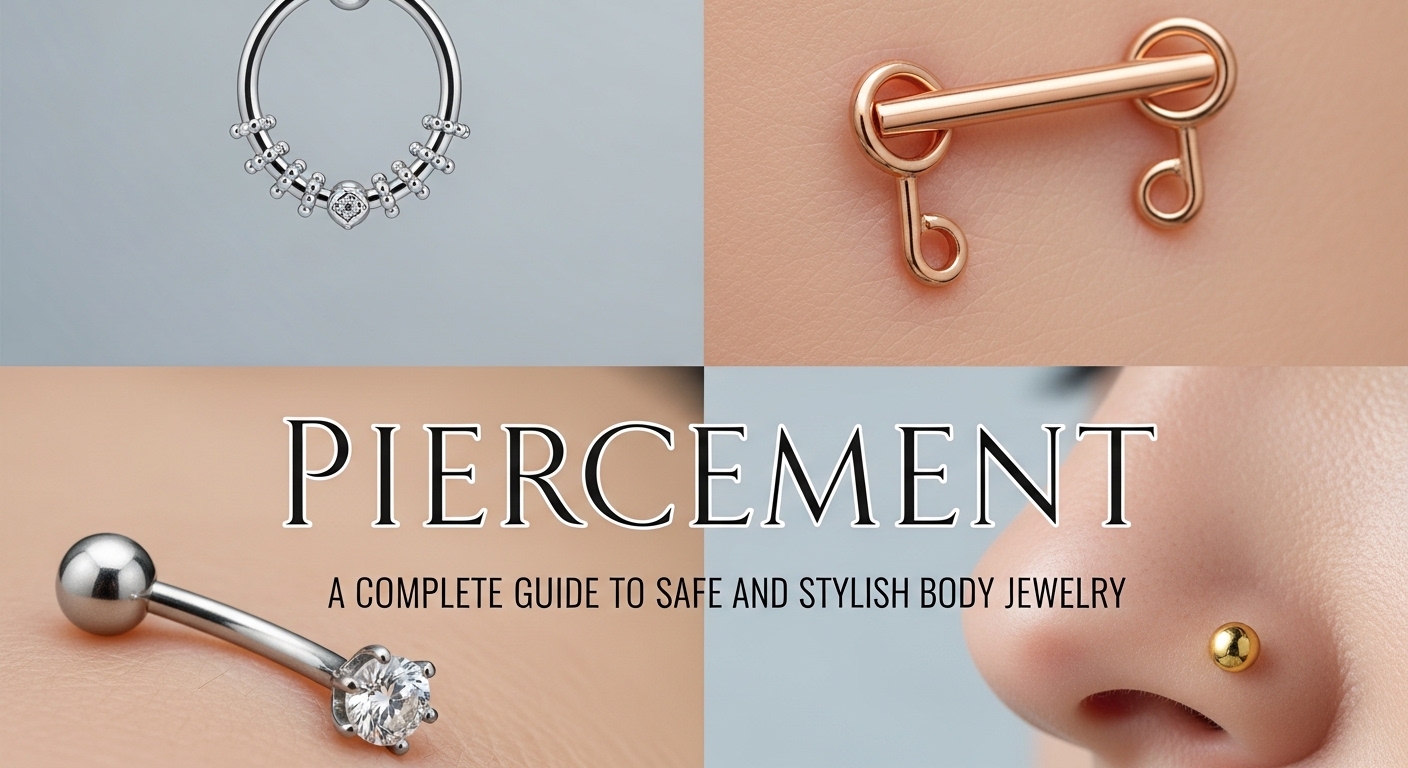
Body piercing has become a popular form of self-expression, allowing individuals to showcase personal style through carefully chosen jewelry. One term that often appears in piercing discussions is piercement, which encompasses the process of creating and maintaining body piercings. Understanding piercement involves exploring safety practices, aftercare, and different types of piercings available. Whether for ears, nose, lips, or other areas, piercement requires knowledge of hygiene, anatomy, and proper technique. For those seeking both aesthetic appeal and safe procedures, a comprehensive understanding of piercement ensures a satisfying and healthy body modification experience.
Understanding Piercement Basics
Piercement refers to the practice of creating a controlled puncture in the skin or cartilage to insert jewelry. This process requires precision to minimize tissue damage and prevent infection. The choice of jewelry, needle type, and piercing location all influence the outcome and healing time. Professionals often follow strict sterilization procedures and use single-use equipment to ensure safety. Understanding piercement also includes recognizing differences between cartilage and soft tissue piercings, as healing rates and care routines vary. A solid grasp of piercement fundamentals helps enthusiasts make informed decisions while maintaining both health and aesthetic appeal.
Popular Types of Piercings
The piercement process covers a wide range of body modifications, from traditional ear lobes to more adventurous locations like the septum, navel, and eyebrow. Each type requires specific techniques, tools, and jewelry choices. For instance, cartilage piercings typically require longer healing periods and specialized studs, while soft tissue piercings heal faster with standard rings or bars. Popularity often fluctuates with trends, but fundamental piercements like nostril, earlobe, and lip piercings remain classic. Understanding the differences among piercing types allows individuals to plan placements that suit their style while considering healing time and maintenance requirements.
Choosing the Right Jewelry
Jewelry selection is a critical aspect of piercement. Materials like surgical steel, titanium, and gold reduce the risk of allergic reactions and infection. The shape, gauge, and length of jewelry must be appropriate for the piercing location and anatomy. Improperly sized or low-quality jewelry can cause irritation, migration, or prolonged healing. Professional piercers guide clients in selecting pieces that balance comfort, safety, and aesthetics. Considering jewelry quality and fit is essential in successful piercement, as it directly impacts both the appearance and long-term health of the piercing.
Hygiene and Sterilization Practices
Proper hygiene is fundamental to safe piercement. Professional piercers maintain sterile environments and use disposable gloves, needles, and equipment to prevent cross-contamination. Clients should also follow post-piercing care instructions, including cleaning with saline solution and avoiding harsh chemicals. Touching piercings with unwashed hands or swimming in unsanitary water can introduce bacteria and slow healing. Regular hygiene practices reduce the risk of infection and ensure optimal outcomes. Awareness of hygiene standards in piercement helps enthusiasts distinguish between safe studios and potentially unsafe practices.
Healing Times and Aftercare
Each piercement requires a specific healing period, influenced by location, anatomy, and care routines. Ear lobe piercings may heal within six to eight weeks, while cartilage or navel piercings can take several months. Proper aftercare includes cleaning the site twice daily, avoiding unnecessary movement, and monitoring for signs of infection or irritation. Following professional guidance ensures faster healing and reduces complications. Understanding healing expectations allows clients to set realistic timelines and make informed choices about new piercements without compromising safety or long-term results.
Pain Management and Comfort
Experiencing discomfort is a normal part of piercement, but proper preparation and technique minimize pain. Professionals use precise methods to reduce trauma to the tissue, while numbing agents or cooling techniques may be applied in certain cases. Clients should remain relaxed and follow instructions during the procedure to avoid unnecessary stress. Awareness of potential discomfort, combined with effective pain management strategies, ensures a smoother experience. Considering both mental and physical preparation is key to successful piercement, allowing individuals to undergo body modifications with confidence and minimal anxiety.
Common Complications and How to Avoid Them
Even with proper piercement practices, complications can occur, including infection, migration, or allergic reactions. Early signs such as redness, swelling, or unusual discharge require prompt attention. Choosing reputable studios, high-quality jewelry, and following aftercare instructions significantly reduces risks. Avoiding unnecessary adjustments or unsanitary environments further protects the piercing. Awareness of potential complications empowers clients to act proactively and seek professional advice when needed. Understanding these risks is a crucial aspect of piercement, ensuring safe and aesthetically pleasing results while maintaining long-term health.
Trends and Modern Styles
Piercement has evolved into a fashion-forward form of self-expression, with innovative designs, multiple piercings, and unique placements gaining popularity. Curated jewelry sets, stacked piercings, and customized arrangements allow individuals to showcase personal creativity. Social media and influencer culture have driven new trends, inspiring enthusiasts to experiment safely. Staying informed about contemporary styles while adhering to safety standards ensures that piercements remain both visually striking and healthy. Modern piercement combines artistry, individuality, and professional expertise, making it a dynamic aspect of body modification culture.
Professional Piercing Studios and Certification
Choosing a certified piercing studio is essential for a safe and successful experience. Licensed studios adhere to strict sterilization protocols, maintain professional equipment, and employ trained staff. Certification ensures that piercers are knowledgeable about anatomy, aftercare, and infection prevention. Clients should research reviews, hygiene standards, and practitioner credentials before committing to a piercement. Professional guidance not only guarantees safety but also enhances the aesthetic outcome. Accessing reputable studios is a fundamental consideration for anyone seeking piercements, providing confidence in both procedure quality and long-term satisfaction.
Conclusion
Piercement is a multifaceted practice that combines aesthetics, safety, and personal expression. From understanding basic techniques to choosing jewelry, practicing proper hygiene, and monitoring healing, each step contributes to a successful experience. Awareness of complications, pain management, and modern trends ensures that piercements remain both stylish and safe. By relying on professional guidance and adhering to best practices, enthusiasts can enjoy body modifications with confidence. Piercement is more than a procedure; it is a form of self-expression that requires knowledge, care, and respect for both artistry and health.