

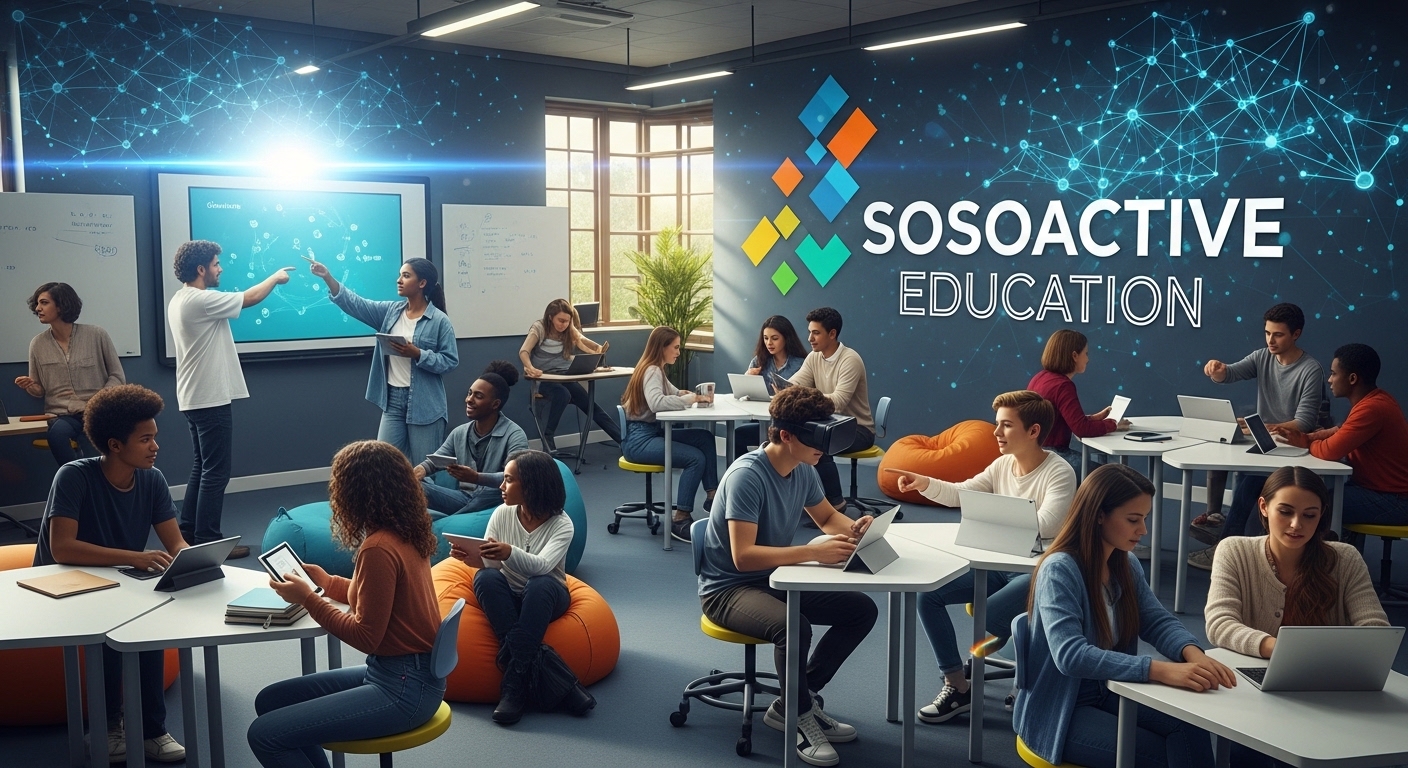
In today’s rapidly evolving educational landscape, sosoactive education has emerged as a concept that emphasizes interactive, technology-driven learning. This approach combines digital tools, collaborative platforms, and innovative teaching methods to create engaging learning experiences for students of all ages. Unlike traditional education models, sosoactive education focuses on active participation, critical thinking, and practical application of knowledge. By integrating technology with pedagogy, this model helps learners develop essential skills needed for modern careers while fostering creativity and problem-solving abilities. As educators and institutions increasingly explore digital solutions, sosoactive education has gained attention for its potential to enhance engagement, improve outcomes, and make learning more accessible. The principles, benefits, and applications of sosoactive education, highlighting how it is shaping the future of learning worldwide.
The Principles of Sosoactive Education
At the heart of sosoactive education is the principle of active learning, where students participate directly in their educational journey. This approach emphasizes interaction, collaboration, and problem-solving rather than passive absorption of information. Sosoactive education encourages learners to explore concepts through discussions, projects, and digital simulations, making knowledge more tangible and memorable. Technology plays a critical role in this model by providing tools for interactive lessons, virtual classrooms, and real-time feedback. The principles of sosoactive education also prioritize adaptability, allowing educators to tailor lessons according to individual student needs. By combining engagement, personalization, and technology, sosoactive education fosters a dynamic learning environment that goes beyond memorization and encourages deeper understanding and practical skill development.
Digital Tools in Sosoactive Education
Technology is central to the effectiveness of sosoactive education, providing resources that enhance interactivity and collaboration. Digital tools such as learning management systems, virtual labs, educational apps, and video conferencing platforms allow students to engage with content in meaningful ways. Sosoactive education leverages these tools to create immersive experiences, including simulations, gamified lessons, and interactive quizzes. Such technology not only improves comprehension but also encourages self-paced learning, allowing students to revisit challenging concepts as needed. Teachers can monitor progress through analytics, identify areas for improvement, and provide personalized guidance. By integrating these digital solutions, sosoactive education transforms the traditional classroom into a flexible, engaging space where technology supports both teaching and learning effectively.
Benefits for Students and Educators
Sosoactive education offers numerous benefits for learners and educators alike. For students, it promotes active participation, critical thinking, and problem-solving skills, preparing them for real-world challenges. Engagement increases as learners interact with digital content, collaborate with peers, and take ownership of their learning process. For educators, sosoactive education provides tools to deliver personalized instruction, track student performance, and adapt lessons to meet diverse needs. The approach also fosters creativity, innovation, and a growth mindset among both teachers and students. By focusing on interactive learning and technology integration, sosoactive education enhances educational outcomes, boosts motivation, and cultivates skills that are highly valued in professional and academic environments.
Implementation in Modern Classrooms
Implementing sosoactive education in modern classrooms requires thoughtful planning and integration of technology. Teachers must design interactive lessons that align with curriculum objectives while incorporating digital tools that facilitate engagement. Classroom setups may include collaborative workstations, online discussion platforms, and interactive whiteboards. Sosoactive also encourages project-based learning, group activities, and simulations that mimic real-life scenarios. Teacher training is essential to ensure educators are equipped to manage technology effectively and guide students in active learning methods. By carefully implementing these strategies, schools and institutions can create environments that support dynamic learning experiences, making education more meaningful, engaging, and adaptable to student needs.
Sosoactive Education and Lifelong Learning
One of the key advantages of sosoactive education is its focus on lifelong learning. By fostering skills such as critical thinking, digital literacy, and adaptability, learners are better prepared to continue acquiring knowledge throughout their lives. Sosoactive encourages curiosity, self-directed learning, and problem-solving, all of which are essential for personal and professional growth. Digital tools and interactive methods help learners remain engaged and motivated beyond traditional classroom settings. As the workforce and society evolve, sosoactive equips individuals with the ability to learn continuously, adapt to new technologies, and apply knowledge effectively in various contexts. This emphasis on lifelong learning ensures that the benefits of sosoactive extend far beyond formal schooling.
Conclusion
Sosoactive education represents a transformative approach to learning that combines technology, interaction, and active participation. By focusing on engagement, digital tools, and personalized instruction, it enhances the educational experience for students and educators alike. Implementing this model in modern classrooms fosters critical thinking, creativity, and lifelong learning skills, preparing individuals for future challenges. As education continues to evolve, sosoactive provides a practical framework for creating dynamic, effective, and meaningful learning environments that benefit learners across the globe.