

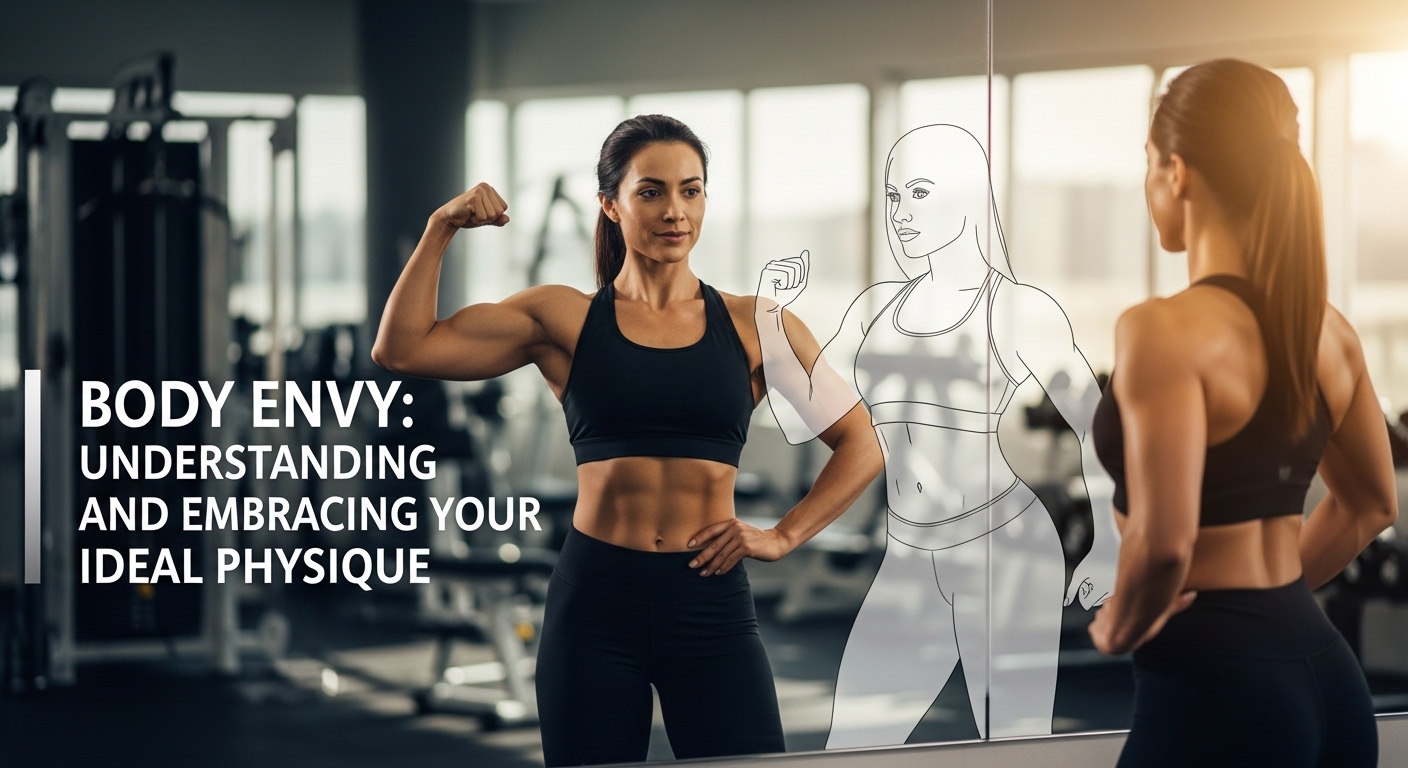
In today’s fitness and wellness culture, the concept of “body envy” has become increasingly prevalent. Many individuals find themselves comparing their physique to others, whether through social media, fitness magazines, or peer groups. Body envy often stems from admiration of a particular shape, muscle tone, or aesthetic appeal, motivating some to improve their own health and fitness. However, it can also lead to unrealistic expectations, dissatisfaction, and negative self-image if not approached thoughtfully. Understanding body envy, its causes, and its potential impact can help individuals channel it into positive motivation rather than harmful comparison. By focusing on personal goals, body type, and holistic wellness, it is possible to embrace fitness as a journey, turning feelings of envy into a source of empowerment rather than self-criticism.
The Psychology Behind Body Envy
Body envy is deeply rooted in psychological factors, including self-perception, societal pressures, and exposure to idealized images. Humans naturally compare themselves to others as a means of self-assessment, but modern media has amplified unrealistic standards of beauty and fitness. Social media platforms, in particular, showcase curated images of toned physiques, often leading individuals to feel inadequate or insecure about their own bodies. These comparisons can trigger body envy, which may manifest as motivation or stress, depending on the mindset of the individual. Understanding that these influences are often exaggerated or edited is crucial. Developing awareness of how body envy operates psychologically allows individuals to separate external ideals from personal goals, fostering healthier self-esteem and a more sustainable approach to fitness and wellness.
Body Envy in Fitness Culture
In the fitness industry, body envy plays a significant role in shaping consumer behavior and personal goals. Many fitness programs, supplements, and apparel brands capitalize on the desire to achieve a physique admired in media. While this can motivate individuals to adopt healthier habits, it may also create pressure to pursue unattainable standards. It is important to recognize that every body is unique, and genetics, lifestyle, and metabolism influence shape and appearance. Fitness goals should focus on personal progress rather than replicating someone else’s physique. By framing body envy as a source of inspiration rather than judgment, individuals can set achievable goals, celebrate milestones, and cultivate confidence in their own physical development. The key is balancing motivation with realistic expectations to promote both mental and physical wellness.
Positive Approaches to Body Envy
Harnessing body envy positively involves using it as a tool for self-improvement rather than self-criticism. Instead of focusing solely on comparison, individuals can identify specific attributes they admire and translate them into actionable goals, such as strength training, flexibility, or overall health. Practicing gratitude for one’s current physical capabilities and progress encourages a balanced mindset. Tracking personal achievements and celebrating small victories reinforces self-confidence while reducing negative self-talk. Surrounding oneself with supportive communities, whether in fitness groups or online forums, can also provide constructive inspiration. By redefining body envy as motivation for personal growth, individuals can channel admiration into sustainable habits that improve both body and mind, ultimately enhancing long-term wellness rather than fostering dissatisfaction.
The Role of Nutrition and Exercise
Addressing body envy effectively often involves combining tailored exercise routines with balanced nutrition. Strength training, cardiovascular workouts, and flexibility exercises can help individuals achieve desired fitness outcomes while promoting overall health. Nutrition plays a critical role in supporting muscle growth, energy levels, and recovery, and it should be approached in a sustainable, personalized way. Extreme dieting or overexertion driven by body envy can lead to burnout, injuries, or unhealthy relationships with food. Instead, setting realistic goals and focusing on consistency ensures gradual, lasting results. When fitness and nutrition are used as tools for self-care and personal improvement, body envy can become a constructive influence, helping individuals feel empowered, energetic, and confident in their unique physical abilities.
Cultivating Self-Acceptance
While body envy can inspire positive changes, cultivating self-acceptance is essential for long-term well-being. Recognizing and appreciating one’s natural body shape, abilities, and progress helps reduce the negative emotional impact of comparison. Mindfulness practices, such as meditation or journaling, can reinforce body appreciation and foster a healthy self-image. Additionally, limiting exposure to unrealistic portrayals of beauty on social media and focusing on authentic, relatable sources of inspiration can alleviate stress. Embracing self-acceptance does not mean abandoning goals; rather, it allows individuals to pursue fitness and wellness from a place of confidence and love for their own body. Balancing aspiration with acceptance ensures a healthier relationship with both oneself and the concept of body envy.
Conclusion
Body envy is a complex phenomenon that can influence fitness goals, self-perception, and motivation. When approached mindfully, it can serve as a positive source of inspiration, encouraging healthy habits, personal growth, and confidence in one’s abilities. Understanding the psychological factors behind envy, setting realistic goals, and prioritizing self-acceptance transform potentially harmful comparison into empowerment. By focusing on personal progress, embracing unique body traits, and maintaining sustainable fitness and nutrition habits, individuals can turn body envy into a constructive force, cultivating a balanced, confident, and healthy lifestyle.