

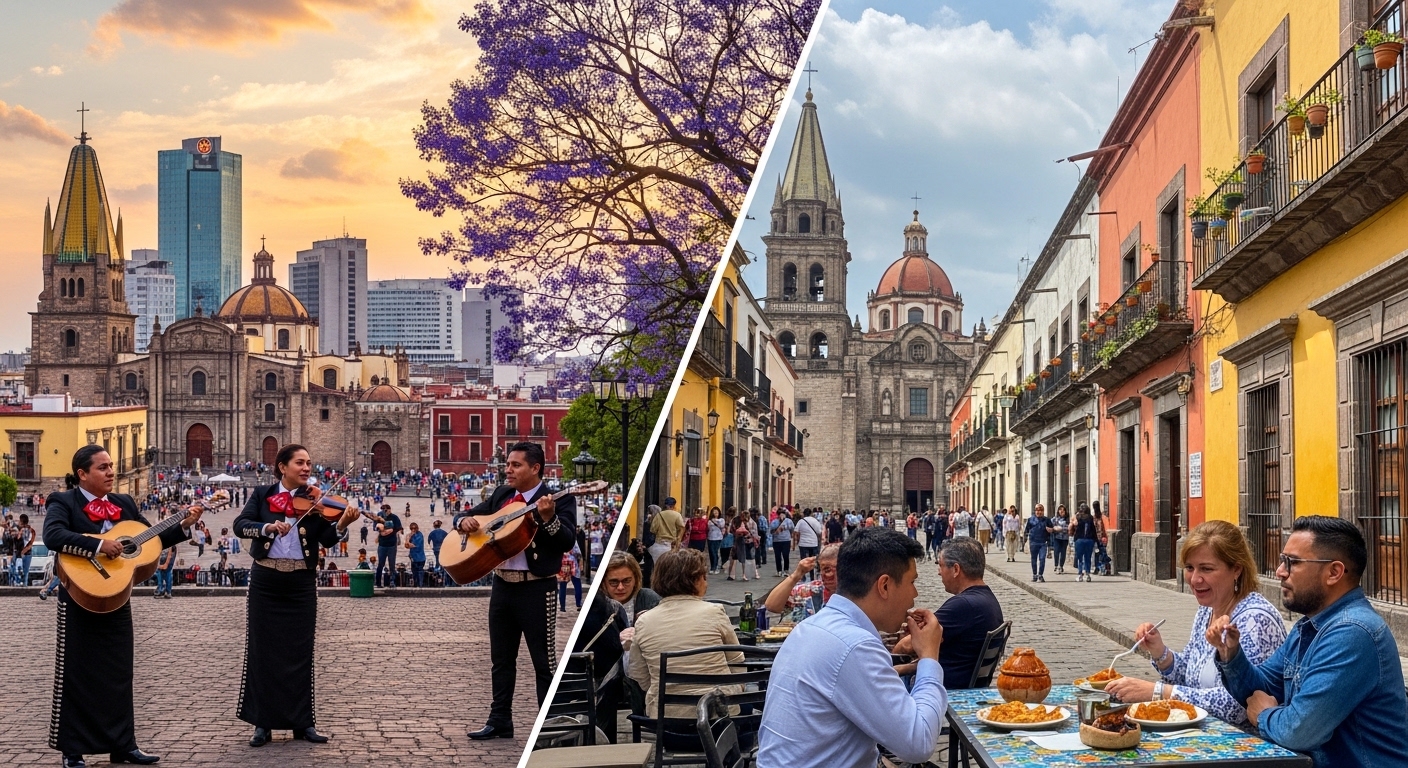
Mexico is home to many vibrant cities, each with its own culture, history, and lifestyle. Among the most notable are Guadalajara and Puebla, two cities that attract attention for their rich heritage and modern amenities. Comparing Guadalajara vs Puebla allows travelers, students, and professionals to understand the unique qualities of each city. From cultural landmarks to economic opportunities, both destinations offer compelling experiences. By examining the similarities and differences, readers can gain insight into what makes each city distinct and decide which location aligns best with their interests, travel plans, or long-term goals.
Historical Significance of Guadalajara
Guadalajara, often called the cultural heart of western Mexico, has a deep historical foundation dating back to the 16th century. As the capital of Jalisco, the city played an essential role in Mexico’s colonial and post-independence history. Its architecture reflects Spanish influence, with ornate churches, plazas, and historic government buildings scattered throughout the city. Guadalajara has also contributed to national identity through mariachi music, tequila production, and traditional festivals. Understanding the historical context of Guadalajara helps visitors and residents appreciate the city’s cultural depth, offering a backdrop for its modern urban life and highlighting its importance within Mexico’s heritage.
Historical Significance of Puebla
Puebla, located in east-central Mexico, is renowned for its colonial history and architectural beauty. Founded in the 16th century, Puebla preserves many historic buildings, including the Puebla Cathedral and the Rosary Chapel. The city played a critical role in Mexican history, particularly during the Battle of Puebla in 1862, which is celebrated annually as Cinco de Mayo. Puebla’s historic center is a UNESCO World Heritage Site, attracting tourists interested in colonial architecture and historical storytelling. Its rich legacy contributes to its reputation as a city of culture and tradition, making it a key destination for visitors exploring Mexico’s historical roots.
Cultural Identity and Traditions
Guadalajara and Puebla both have strong cultural identities, but they differ in traditions and celebrations. Guadalajara is closely associated with mariachi music, traditional dance, and tequila festivals, reflecting Jalisco’s regional heritage. Puebla, on the other hand, is famous for culinary traditions, including mole poblano, chiles en nogada, and local pastries. Both cities celebrate national holidays with unique local flair, showcasing parades, music, and community activities. Comparing Guadalajara vs Puebla in terms of culture reveals how regional differences shape experiences, allowing travelers and residents to immerse themselves in local customs that reflect each city’s historical and social influences.
Economy and Business Opportunities
Economic activity in Guadalajara and Puebla shows different strengths and industry focus. Guadalajara has earned the nickname “Silicon Valley of Mexico” due to its growing technology and electronics sector, attracting startups and international companies. The city also benefits from tourism, manufacturing, and education. Puebla has a diverse economy as well, with strong automotive manufacturing, textile production, and agricultural sectors. Both cities provide business opportunities, but Guadalajara tends to attract tech-driven professionals, while Puebla draws those interested in manufacturing and traditional industries. Understanding these differences is essential for entrepreneurs, investors, and job seekers considering relocation or business expansion.
Education and Academic Institutions
Both Guadalajara and Puebla are home to reputable universities and educational institutions. Guadalajara hosts the University of Guadalajara, a large public university known for research, arts, and professional programs. Puebla is home to the Benemérita Universidad Autónoma de Puebla and other specialized institutions. Students and families evaluating Guadalajara vs Puebla often consider access to quality education as a factor in relocation decisions. Both cities offer opportunities for higher learning, but Guadalajara tends to focus more on technology and creative programs, while Puebla emphasizes engineering, culinary arts, and historical studies. Academic culture contributes significantly to each city’s vibrancy and international recognition.
Tourism and Attractions
Tourism is a major highlight in Guadalajara and Puebla, each offering distinct attractions. Guadalajara appeals with its historic downtown, museums, mariachi performances, and tequila tours. Visitors can explore plazas, theaters, and local markets, experiencing a blend of history and modern urban life. Puebla offers stunning colonial architecture, artisan markets, and culinary experiences that highlight traditional Mexican cuisine. Its historic center and nearby natural landscapes, such as the Popocatépetl volcano, attract travelers seeking history and scenic beauty. Comparing Guadalajara vs Puebla for tourism helps visitors plan trips based on preferred activities, whether cultural events, gastronomy, or historical exploration.
Lifestyle and Urban Living
The lifestyle in Guadalajara and Puebla reflects their cultural, economic, and geographic contexts. Guadalajara has a more cosmopolitan urban environment with modern shopping centers, entertainment venues, and technology hubs. The city is fast-paced yet maintains traditional elements through festivals and public plazas. Puebla offers a more relaxed urban experience with a focus on heritage, culinary culture, and community-oriented living. Both cities provide quality urban amenities, but the choice between Guadalajara vs Puebla depends on individual preferences for metropolitan energy versus historical charm. Understanding lifestyle differences helps residents and visitors adapt and enjoy city life effectively.
Transportation and Connectivity
Transportation and accessibility are key factors when comparing Guadalajara vs Puebla. Guadalajara has an extensive public transport system, including buses, light rail, and highway connectivity, making it easier to navigate and access surrounding regions. Puebla also has well-developed transport options, with buses and highways connecting it to Mexico City and other neighboring areas. Both cities support tourism, business travel, and commuting efficiently, but Guadalajara’s infrastructure may be more suitable for technology and business professionals seeking fast urban mobility. Evaluating transportation options ensures that visitors and residents can move conveniently while enjoying the amenities of either city.
Gastronomy and Culinary Experience
Food is a defining feature of both Guadalajara and Puebla, offering unique culinary experiences. Guadalajara is known for regional specialties like birria, tortas ahogadas, and tequila tasting experiences. Puebla is famous for mole poblano, chiles en nogada, and other dishes that reflect centuries of culinary evolution. Exploring local cuisine provides insight into each city’s cultural identity and history. Comparing Guadalajara vs Puebla through gastronomy highlights the role of food in daily life and tourism, allowing visitors to experience flavors that have shaped regional traditions and offer a deeper connection to Mexican culture.
Conclusion
Guadalajara vs Puebla represents a comparison of two Mexican cities with rich history, culture, and modern opportunities. Guadalajara attracts visitors and professionals with its technological growth, mariachi heritage, and cosmopolitan lifestyle. Puebla stands out with its colonial architecture, culinary excellence, and historical significance. Both cities offer unique experiences for residents, travelers, and business interests. Understanding their differences and similarities helps individuals make informed decisions about travel, relocation, or cultural exploration. Ultimately, each city provides a distinctive window into Mexico’s vibrant heritage and evolving urban life.