

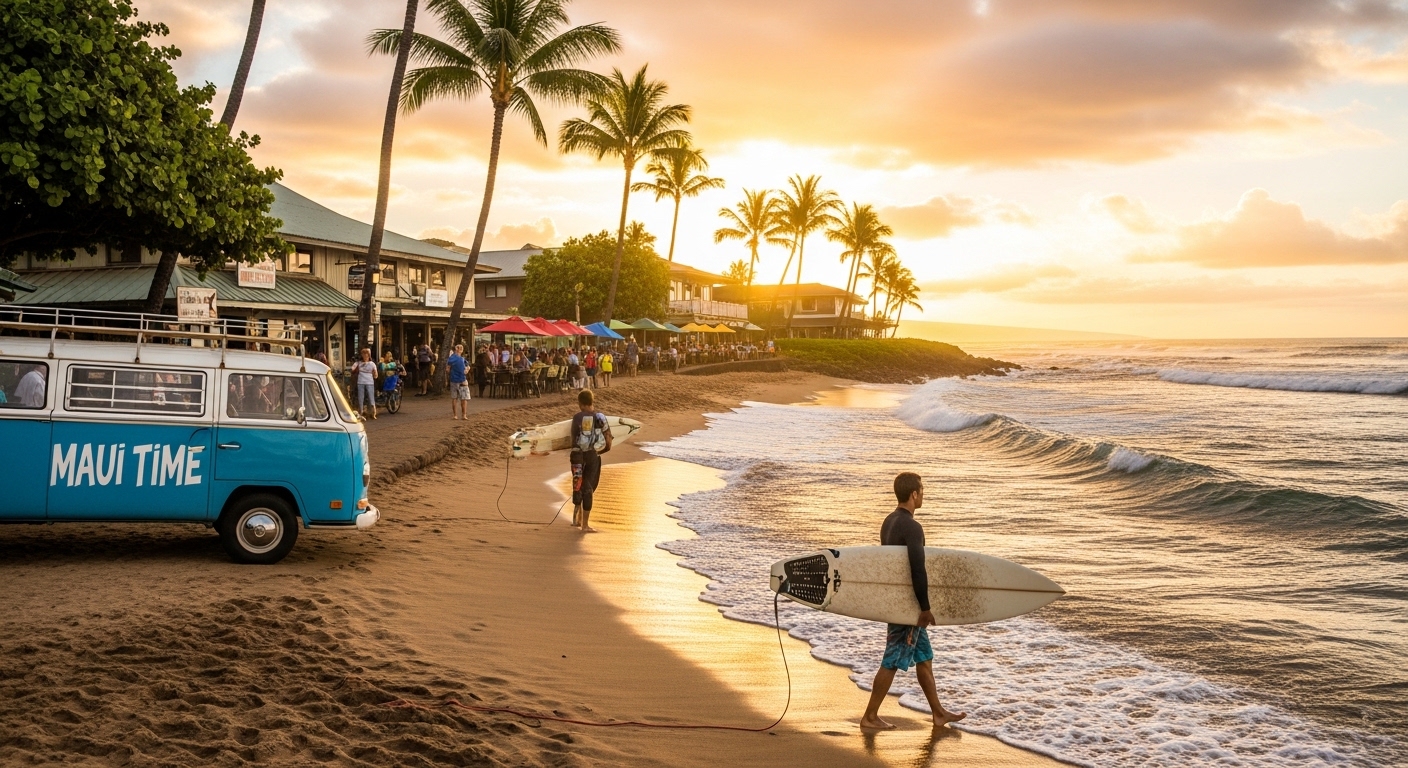
The concept of time in Maui is more than simply checking a clock. This beautiful Hawaiian island follows a slower and more relaxed rhythm that reflects its natural surroundings and cultural traditions. Visitors often notice that daily life on the island feels calmer compared with busy cities around the world. Understanding time in Maui helps travelers plan activities, adjust to the local time zone, and appreciate the island lifestyle. From sunrise over the ocean to peaceful evenings by the beach, time here feels connected to nature. Exploring how time influences life in Maui offers insight into the island’s culture, tourism, and everyday experiences.
Maui’s Time Zone and Geographic Location
Time in Maui follows Hawaii Standard Time, which places the island several hours behind many major cities in North America and other parts of the world. Because Hawaii does not observe daylight saving time, the clock remains consistent throughout the year. This stability makes time in Maui predictable for both residents and visitors. The island’s location in the central Pacific Ocean means that sunrise and sunset occur at times that support outdoor activities and tourism. Understanding the time zone is important for travelers planning flights, meetings, or tours. It also helps visitors adjust their schedules and reduce the effects of long distance travel.
How Time Shapes the Maui Lifestyle
Life on the island reflects a relaxed approach to schedules and daily routines. Many residents describe time in Maui as slower and more balanced compared with urban environments. People often prioritize family, community, and outdoor experiences rather than strict timetables. This mindset encourages individuals to appreciate natural beauty, ocean views, and social connections. Visitors quickly notice that daily activities may unfold at a comfortable pace, allowing more opportunities to enjoy the environment. Time in Maui becomes less about rushing from task to task and more about experiencing moments fully, which is one reason many travelers find the island atmosphere refreshing.
Sunrise and Sunset in Maui
Natural light plays an important role in how people experience time in Maui. The island’s tropical location provides beautiful sunrises and sunsets that shape daily routines. Early mornings often begin with ocean views and outdoor activities such as walking along beaches or watching the sunrise from elevated viewpoints. Evenings offer equally memorable experiences as the sun slowly sets over the Pacific Ocean. Many visitors plan their days around these moments because they represent some of the most peaceful and visually stunning times of the day. Observing sunrise and sunset helps people connect with nature and appreciate the island’s natural rhythm.
Time and Tourism Activities
Tourism is closely connected to how visitors manage time in Maui. Many activities are scheduled to take advantage of specific times of the day when weather and ocean conditions are ideal. Morning hours are often popular for snorkeling, hiking, and exploring scenic coastal areas. Afternoon periods may include cultural tours, beach relaxation, or local dining experiences. Evening time frequently features sunset cruises or oceanfront dinners. Understanding time in Maui helps travelers create balanced schedules that allow them to experience the island without feeling rushed. Proper planning ensures that visitors enjoy both adventure and relaxation during their stay.
Seasonal Changes and Time in Maui
Although Maui maintains a tropical climate throughout the year, seasonal variations still influence how time is experienced on the island. Winter months can bring slightly earlier sunsets and occasional rainfall, while summer often provides longer daylight hours and warmer weather. These seasonal shifts affect tourism patterns, outdoor activities, and travel planning. Visitors who understand how seasons influence time in Maui can choose the best periods for their preferred experiences. For example, some travelers visit during certain months to observe marine wildlife or enjoy calmer ocean conditions. Seasonal awareness helps people make the most of their time on the island.
Cultural Perspectives on Time
Local culture also shapes the meaning of time in Maui. Hawaiian traditions often emphasize harmony with nature, respect for community, and appreciation for the present moment. Rather than focusing strictly on productivity, cultural values encourage balance between work, family, and the environment. This perspective influences how residents approach daily life and social interactions. Visitors who spend time in Maui may notice that conversations, meals, and gatherings unfold naturally without constant urgency. Learning about these cultural attitudes allows travelers to understand why time on the island often feels different from highly structured lifestyles in other parts of the world.
Managing Travel Time When Visiting Maui
Traveling to Maui requires careful planning because the island is located far from many international destinations. Long flights and multiple time zones can affect sleep patterns and energy levels when visitors arrive. Adjusting to time in Maui may take a short period as travelers adapt to the new schedule. Experts often recommend spending time outdoors, enjoying natural sunlight, and maintaining a relaxed itinerary during the first days of a trip. These strategies help the body adjust more quickly. By respecting the island’s slower pace, travelers can overcome jet lag and begin enjoying their vacation comfortably.
Technology and Keeping Track of Time
Modern technology makes it easier than ever to manage time in Maui. Smartphones, travel apps, and digital calendars automatically adjust to local time zones when visitors arrive on the island. These tools help travelers track reservations, tour schedules, and transportation arrangements. However, many visitors discover that once they settle into the island environment, they rely less on strict schedules. Technology helps maintain organization, but the natural beauty of Maui encourages people to step away from constant notifications and enjoy their surroundings. This balance between technology and relaxation reflects the modern experience of spending time on the island.
Making the Most of Time in Maui
For many travelers, the greatest value of time in Maui comes from how it encourages mindful experiences. The island provides countless opportunities to explore beaches, forests, volcanic landscapes, and vibrant communities. Instead of rushing through activities, visitors often choose to slow down and fully appreciate each moment. Watching ocean waves, enjoying local food, or simply relaxing under tropical skies can become memorable experiences. Time in Maui becomes meaningful when people allow themselves to connect with the island’s peaceful atmosphere. This approach transforms a simple vacation into a memorable journey that leaves lasting impressions.
Conclusion
Time in Maui represents more than a time zone or daily schedule. It reflects a lifestyle shaped by nature, culture, and the island’s relaxed atmosphere. From sunrise adventures to peaceful sunsets, every part of the day offers unique experiences that encourage appreciation for the present moment. Visitors who understand the rhythm of time in Maui often discover that the island inspires a slower and more meaningful pace of life. By adjusting to this natural flow, travelers can fully enjoy the beauty, culture, and tranquility that make Maui one of the most captivating destinations in the Pacific Ocean.