

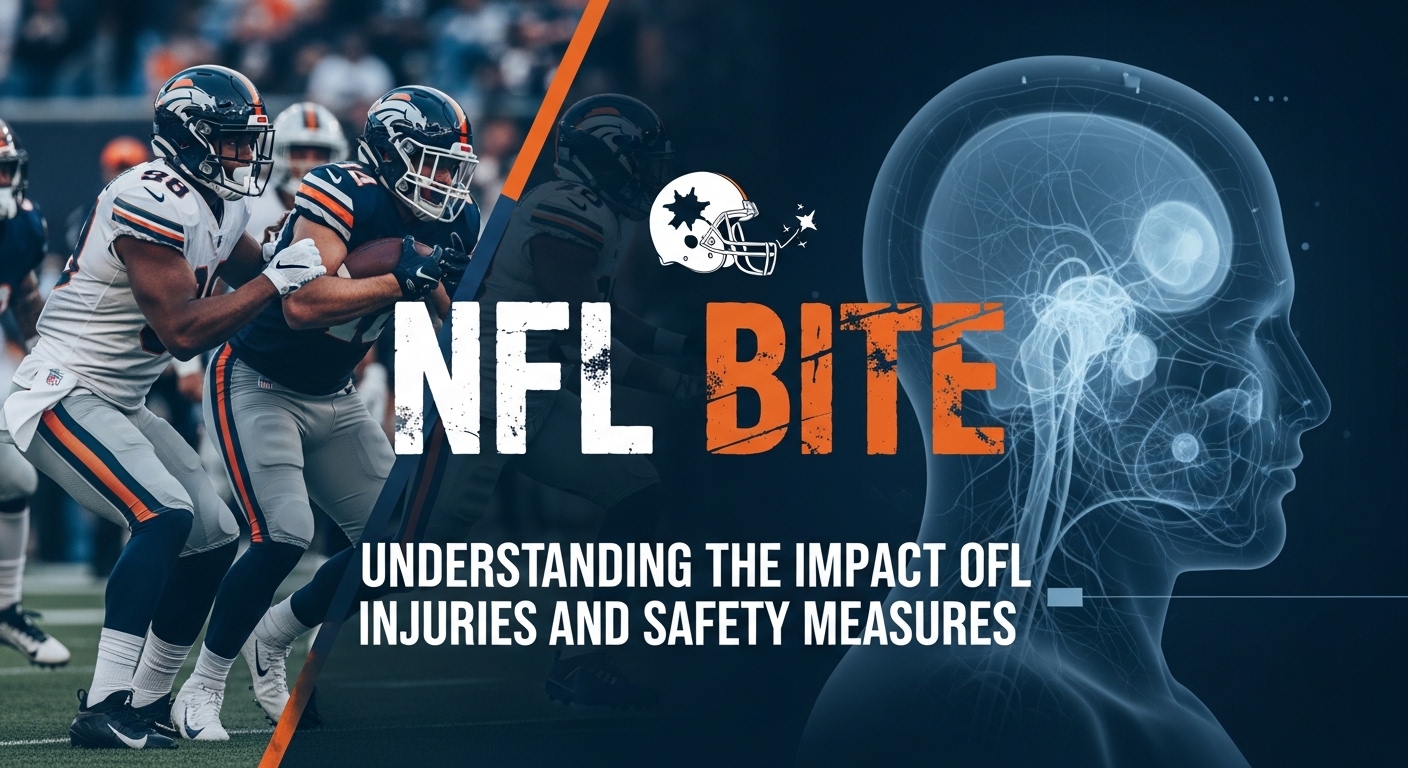
The NFL is known for its high intensity, dramatic plays, and passionate fans, but it is also a sport where injuries are a constant concern. The term NFL bite is often used informally to describe the harsh realities of the game, including unexpected hits, sudden injuries, and the physical toll on players. For many fans, the excitement of football is intertwined with the understanding that athletes are pushing their bodies to the limit. This reality has led to growing conversations about player safety, injury prevention, and the long-term health effects of professional football. As the league continues to evolve, the focus on protecting players and improving safety protocols has become a central part of the NFL’s future.
The Physical Demands of Professional Football
Professional football is one of the most physically demanding sports, requiring strength, speed, and endurance. Players train extensively to handle the intense collisions and rapid changes in direction that occur during a game. However, the high-impact nature of football means that injuries can happen at any moment, even to the most well-prepared athletes. The term NFL bite reflects this unpredictability, as a single play can lead to a significant injury. Common injuries include concussions, knee and ankle sprains, and muscle strains. The league has invested in training programs and medical support to help players stay healthy, but the risk remains inherent to the sport. Understanding the physical demands helps fans appreciate the skill and resilience required to compete at the NFL level, while also recognizing the importance of safety measures.
How Injuries Affect Team Performance
Injuries in the NFL can have a major impact on team performance and season outcomes. When key players are sidelined, teams must adjust strategies and rely on backups who may have less experience. This can change the dynamic of a game and affect the overall success of a team. The NFL bite becomes evident when injuries disrupt a team’s momentum, especially during critical parts of the season. Coaches and staff must manage player health carefully, balancing the desire to win with the need to prevent further injury. Effective roster management and depth in key positions can help teams withstand setbacks, but the impact of injuries is still significant. Fans often see how quickly fortunes can change when a team loses a star player, highlighting the importance of durability and preparation in professional football.
The Role of Safety Rules and Equipment
The NFL has introduced numerous safety rules and equipment improvements to reduce injury risk. Changes such as stricter penalties for dangerous hits, improved helmet standards, and enhanced concussion protocols are designed to protect players on the field. The league has also increased awareness about head injuries and long-term health effects, encouraging safer play and better medical monitoring. While these measures cannot eliminate all risks, they represent important steps toward minimizing harm. Equipment advancements, including better padding and helmet technology, also play a role in reducing impact severity. The NFL bite is a reminder that even with safety improvements, football remains a contact sport, and maintaining player welfare requires ongoing attention. Continued research and rule updates are essential to support a safer playing environment for athletes.
Long-Term Health Concerns for Players
Long-term health concerns are a significant part of the discussion surrounding the NFL bite. Players who experience repeated hits and injuries may face lasting effects such as chronic pain, joint problems, and neurological conditions. The league has faced increasing scrutiny regarding the long-term impact of concussions and head trauma. This has led to more comprehensive medical monitoring and support for retired players. Additionally, mental health awareness has become a key focus, as players may experience emotional and psychological challenges after their careers end. Addressing long-term health requires a combination of prevention, treatment, and education. Supporting players during and after their careers is essential to ensure their well-being. As fans and stakeholders continue to prioritize player safety, the NFL is likely to maintain efforts to improve health outcomes for athletes.
How Fans Can Support Player Safety
Fans play a role in supporting player safety by encouraging respectful and responsible viewing habits. Celebrating skillful play and sportsmanship rather than glorifying dangerous hits can contribute to a safer culture around the sport. Awareness of the risks involved in football helps fans understand why safety rules and medical protocols are important. Supporting initiatives that promote player health, such as concussion awareness and injury prevention programs, can also make a difference. Fans can also stay informed about the league’s safety efforts and support policies that prioritize player welfare. While the excitement of the game is a major part of the NFL’s appeal, recognizing the human aspect of the sport is equally important. By valuing player safety, fans can help create a more sustainable and respectful environment for the athletes who make the game possible.
Conclusion
The term NFL bite reflects the physical intensity and injury risks that are part of professional football. While the sport continues to captivate fans worldwide, the importance of player safety and long-term health cannot be overlooked. Through improved rules, better equipment, and ongoing medical support, the NFL is working to reduce injury risks and protect athletes. As fans, understanding these efforts and supporting a culture of safety can help ensure that football remains a thrilling and sustainable sport for both players and audiences.