

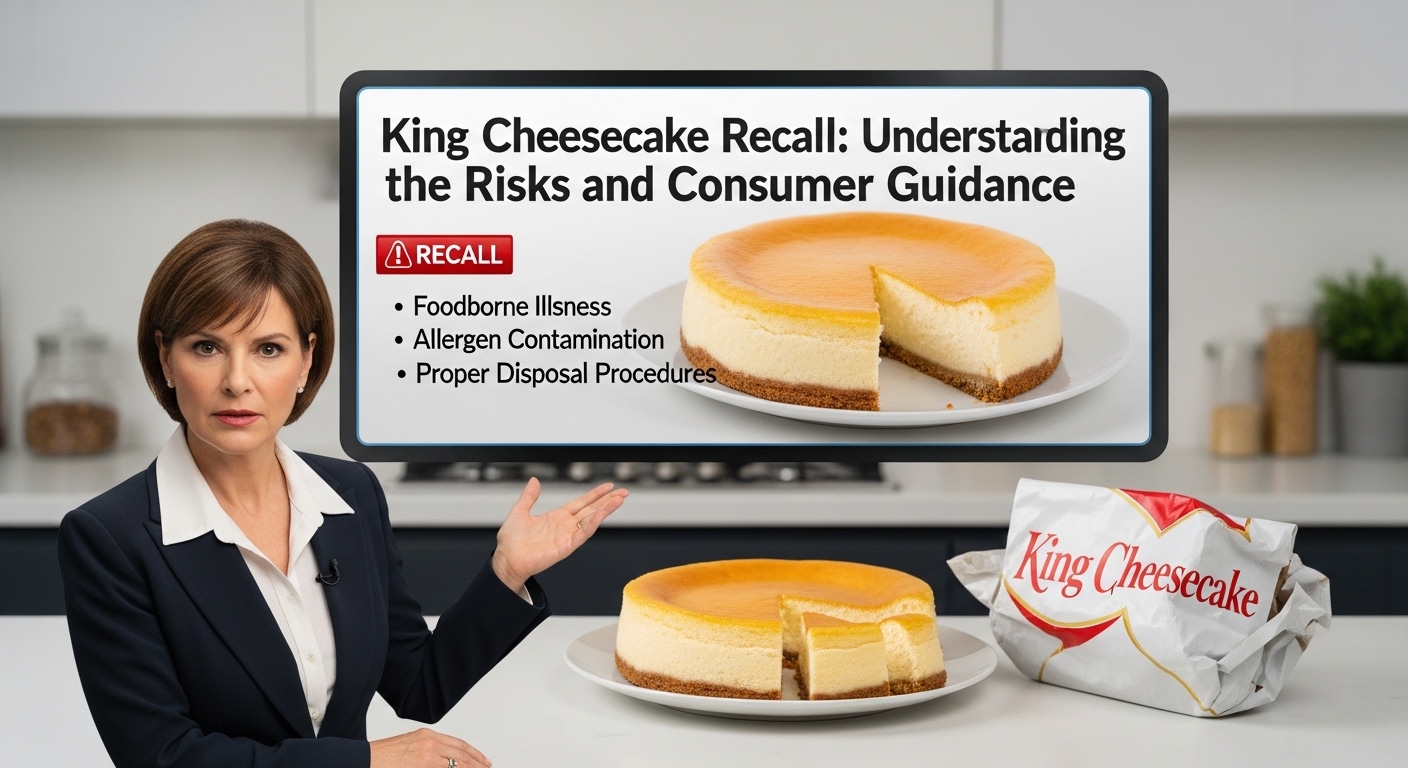
The recent King Cheesecake recall has caught the attention of dessert lovers and grocery shoppers nationwide. Product recalls are serious matters, as they are often issued to protect consumers from potential health risks. In the case of King Cheesecake, specific batches have been identified as potentially unsafe due to contamination concerns. Staying informed about recalls helps prevent foodborne illnesses and ensures household safety. The King Cheesecake recall, explaining the reasons behind it, the affected products, and the best steps for consumers to take to protect themselves and their families from potential harm.
Reason Behind the King Cheesecake Recall
The King Cheesecake recall was initiated due to the detection of potential contamination in certain products. Contaminants can include bacteria such as Listeria or Salmonella, which pose serious health risks, especially for vulnerable populations. The recall serves as a precautionary measure to prevent illness before products reach more consumers. Manufacturing errors, cross-contamination, or storage issues can contribute to such situations. By promptly addressing these risks, the company ensures compliance with safety standards and regulatory guidelines. Understanding the cause of the recall helps consumers appreciate the importance of vigilance and reinforces the role of food safety in protecting public health.
Identifying Affected King Cheesecake Products
The recall specifies which King Cheesecake products are affected to minimize confusion and prevent accidental consumption. Information typically includes product names, batch numbers, production dates, and packaging details. Consumers are advised to carefully check these identifiers before consuming or storing any King Cheesecake items. Retailers often display recall notices and remove affected products from shelves. Accurate identification ensures that only potentially unsafe items are returned or discarded, while unaffected products remain safe for consumption. Following these instructions is essential to avoid exposure to contamination and to support the effectiveness of the recall process in protecting public health.
Health Risks Associated with Contamination
Consuming contaminated food products can lead to serious health consequences. Depending on the contaminant, individuals may experience gastrointestinal distress, fever, or in severe cases, infections requiring medical attention. Listeria, for example, is particularly dangerous for pregnant women, infants, and people with weakened immune systems. Salmonella infections can cause dehydration and require hospitalization in some cases. Awareness of these health risks emphasizes the importance of taking the King Cheesecake recall seriously. Promptly removing affected products from homes, and monitoring for symptoms after consumption, is crucial for minimizing potential harm and ensuring the well-being of all household members.
Steps for Consumers During the Recall
Consumers affected by the King Cheesecake recall should follow recommended safety protocols to protect themselves and their families. The first step is to stop consuming any product that matches the recall details. Next, the affected product should be either returned to the retailer for a refund or safely disposed of according to the guidance provided by the company. Consumers may also report any adverse effects to local health authorities. Staying informed through official recall announcements ensures timely action. These steps are designed to reduce the risk of illness and help companies monitor the effectiveness of the recall process.
Communication and Notification Channels
Effective communication is key during a product recall. The King Cheesecake recall is typically announced through official channels, including the company website, social media accounts, and regulatory agency notifications. Retailers may also post signs and provide guidance at points of sale. Consumers can subscribe to alerts or follow official sources to receive updates on affected batches, return instructions, and safety advisories. Transparent communication ensures that information reaches a wide audience, helping to prevent accidental consumption. Staying connected to these channels allows consumers to act quickly and make informed decisions regarding affected King Cheesecake products.
Impact on Retailers and Supply Chains
Product recalls like King Cheesecake can have significant implications for retailers and supply chains. Stores must quickly identify and remove affected products, update inventory systems, and coordinate with distributors for returns or replacements. Supply chain disruptions may occur as manufacturers review production and storage procedures to prevent future contamination. Effective recall management requires collaboration between retailers, distributors, and manufacturers to maintain public trust. Minimizing the impact on operations while prioritizing consumer safety is crucial. Understanding these logistics highlights the complexity of managing recalls and underscores the importance of stringent quality control throughout the food production process.
Regulatory Oversight and Food Safety
Regulatory agencies play a critical role in ensuring food safety and managing recalls like King Cheesecake. Agencies monitor manufacturing processes, enforce safety standards, and issue alerts when products pose risks to consumers. Compliance with these regulations helps protect public health and prevents widespread contamination. Recalls demonstrate the effectiveness of oversight mechanisms in identifying potential hazards before they cause major outbreaks. Consumers benefit from these safety measures, which provide transparency and accountability. The King Cheesecake recall serves as a reminder of the importance of regulatory vigilance in maintaining safe food supply chains and reducing the likelihood of illness.
Lessons Learned from the Recall
The King Cheesecake recall highlights several lessons for consumers, manufacturers, and regulatory bodies. Consumers are reminded to remain vigilant and check product information regularly. Manufacturers are encouraged to maintain strict hygiene and quality control procedures to prevent contamination. Regulatory agencies continue to refine monitoring processes and communication strategies. Public awareness of food safety risks helps create a culture of responsibility. By reflecting on these lessons, all stakeholders can work together to minimize future incidents, protect health, and maintain trust in food brands. The recall underscores the importance of proactive measures in preventing potential harm.
Long-Term Implications for Consumers
Beyond immediate safety concerns, the King Cheesecake has long-term implications for consumer behavior and brand perception. Consumers may become more attentive to product labeling, expiration dates, and recalls in general. Brand trust may be affected, influencing future purchasing decisions. Companies that handle recalls transparently and effectively can restore confidence more quickly, while those that do not may face reputational challenges. Educated consumers who stay informed about food safety measures are better equipped to navigate potential risks. The recall reinforces the importance of continuous vigilance and responsible consumption in maintaining personal and family health.
Conclusion
The King Cheesecake recall serves as an important reminder of the need for vigilance in food safety. By understanding the reasons behind the recall, identifying affected products, and following proper consumer guidance, individuals can protect themselves and their families from potential harm. Retailers, manufacturers, and regulatory agencies all play essential roles in ensuring that contaminated products are effectively removed from circulation. The recall underscores the value of clear communication, proactive safety measures, and responsible consumption practices. Staying informed and cautious ensures that enjoying food products remains a safe and enjoyable experience for everyone.