

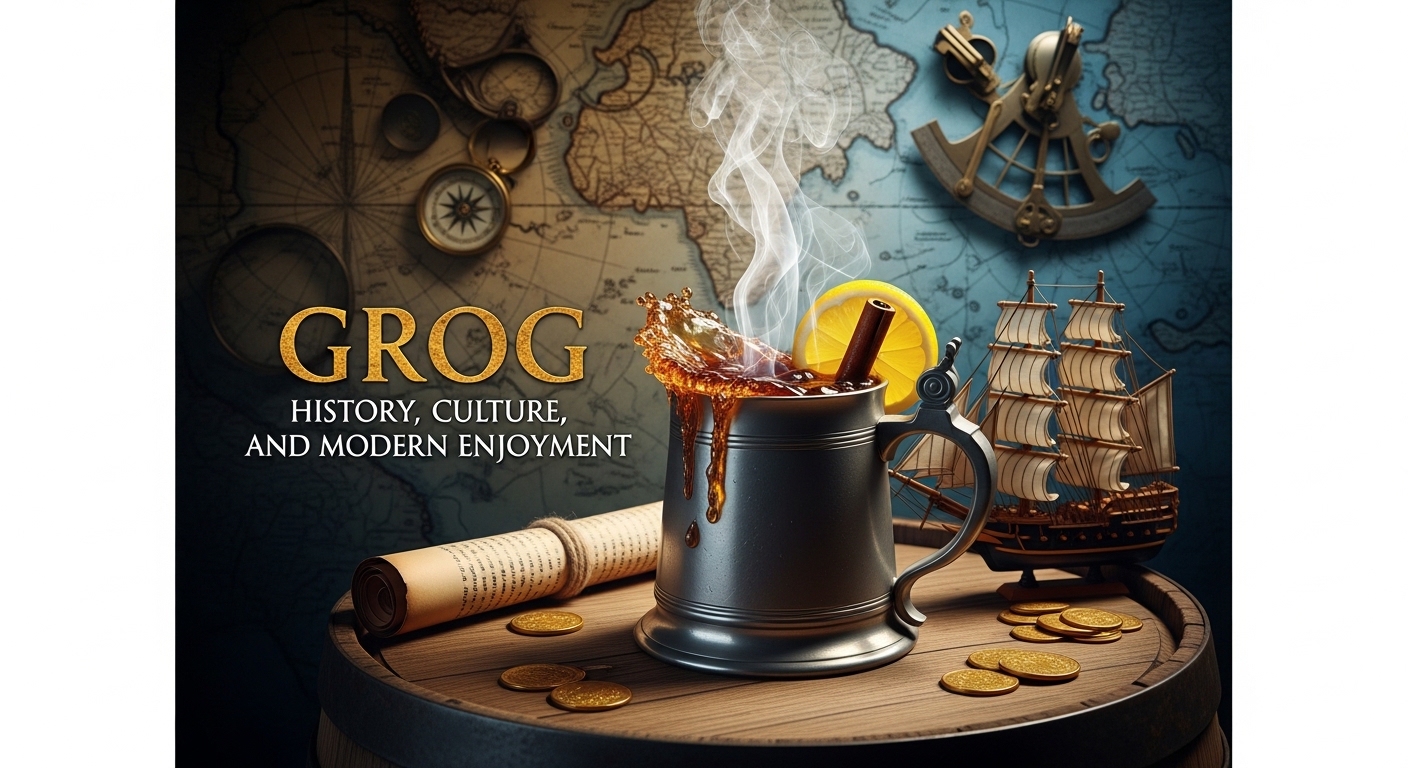
Grog is a beverage with a rich history and cultural significance, recognized for its distinctive taste and association with maritime traditions. Originally consumed by sailors, grog has evolved over centuries into various forms enjoyed around the world. Its origins, ingredients, and preparation methods reflect practical, historical, and social aspects that make it more than just a drink. Understanding grog provides insight into its cultural impact, how it influenced naval life, and why it continues to hold a place in modern culinary and social contexts. Grog in depth, from its history to contemporary variations.
The Origins of Grog
Grog originated in the 18th century as a diluted alcoholic beverage provided to sailors in the British Royal Navy. Traditionally, it consisted of rum mixed with water, and sometimes lime juice or sugar, to make it more palatable and reduce the risk of scurvy. The practice of issuing grog was introduced by Admiral Edward Vernon in 1740 to improve discipline and reduce excessive drinking on ships. Over time, grog became a staple of naval life, creating a unique tradition that combined practicality with morale. Understanding its origins highlights how necessity and health considerations influenced naval culture.
Ingredients of Traditional Grog
Traditional grog is simple yet effective, typically consisting of rum, water, and occasionally lime juice or sugar. Rum provides the alcoholic base, while water dilutes it to a manageable strength for daily consumption. Lime or citrus juice not only improved taste but also helped prevent scurvy, a common ailment among sailors. Sugar was sometimes added to counterbalance the bitterness of diluted rum. These ingredients reflect both the practical and functional nature of grog. The simplicity of its composition made it easy to prepare in large quantities aboard ships, ensuring that sailors received a consistent and safe drink.
Grog in Naval History
Grog played a significant role in naval history, influencing daily life, discipline, and morale among sailors. Issued regularly, it helped reduce the consumption of undiluted spirits, which could lead to drunkenness and accidents. The beverage also became a symbol of camaraderie, shared among crew members during long voyages. Naval records and literature frequently reference grog as part of sailor culture, highlighting its practical and social significance. Its presence on ships around the world demonstrates how a simple drink can shape the routines and culture of maritime communities, leaving a lasting legacy in naval history.
Variations Around the World
While traditional grog originated in the British Navy, the concept has inspired variations worldwide. In the Caribbean, for example, grog often includes rum mixed with water, sugar, and local spices. In modern contexts, grog can also refer to hot beverages with alcohol, such as mulled wine or cider. Each variation reflects local tastes, ingredients, and cultural practices, demonstrating the adaptability of grog over time. These adaptations allow the drink to remain relevant and enjoyable, whether as a historical curiosity, a festive beverage, or a casual social drink, blending tradition with contemporary preferences.
Grog in Literature and Popular Culture
Grog has appeared in literature, movies, and popular culture as a symbol of maritime life and adventure. Authors and filmmakers often depict sailors enjoying grog to illustrate life at sea, camaraderie, and naval tradition. References in novels, historical accounts, and pirate-themed media have cemented grog as an iconic symbol of naval culture. Its presence in stories highlights both its historical role and its cultural resonance, giving modern audiences a tangible connection to the past. By exploring grog in literature and media, one can appreciate its enduring symbolism as a drink associated with courage, exploration, and maritime identity.
Health and Nutritional Aspects
Historically, grog served not only as a recreational drink but also as a functional beverage for sailors’ health. The addition of lime or lemon juice provided vitamin C, helping prevent scurvy during long sea voyages. Diluting rum with water reduced alcohol consumption while still providing the morale-boosting effects of a mild spirit. Modern variations of grog may include hot water, spices, and additional sweeteners, offering both warmth and flavor during cold weather. Understanding the nutritional aspects of grog provides insight into why it was valued historically, demonstrating a practical balance between taste, health, and functionality.
Making Grog at Home
Creating grog at home allows enthusiasts to experience a historical beverage while experimenting with flavors. A simple recipe involves mixing rum with water and a splash of citrus or sugar to taste. Variations can include adding spices, herbs, or fruit juices to enhance flavor. Preparing grog at home is straightforward, making it accessible for social gatherings, historical reenactments, or personal enjoyment. This hands-on approach connects people with maritime traditions and allows them to appreciate the practical and cultural origins of the drink, while also enjoying a customizable beverage suited to modern tastes.
Modern Social and Cultural Uses
Today, grog is enjoyed in a variety of social and cultural contexts beyond naval tradition. It appears in themed parties, historical events, and cultural festivals, often as a nod to maritime history. Some bars and restaurants feature grog-inspired cocktails, combining traditional elements with modern mixology. The drink also serves as a conversation piece, connecting contemporary consumers with historical narratives. By embracing grog in modern settings, people maintain a link to its cultural heritage while exploring new interpretations, blending historical authenticity with social enjoyment.
The Legacy of Grog
The legacy of grog extends beyond its simple ingredients, representing history, tradition, and adaptability. From its role in naval life to its presence in literature and popular culture, grog remains a symbol of maritime heritage and creativity in beverage culture. Its ability to evolve while maintaining a connection to the past demonstrates its enduring relevance. Appreciating grog today allows individuals to explore both historical context and modern reinterpretations, celebrating a beverage that combines practicality, flavor, and cultural significance. Grog continues to captivate enthusiasts, offering a link between tradition and contemporary enjoyment.
Conclusion
Grog is more than just a drink; it is a historical and cultural icon with practical origins and enduring appeal. From its naval beginnings to modern adaptations, grog illustrates the blend of functionality, flavor, and tradition. Its presence in literature, festivals, and home preparations demonstrates its versatility and continued relevance. By exploring the history, ingredients, and cultural significance of grog, we gain a deeper appreciation for this unique beverage and its place in both maritime heritage and contemporary enjoyment.